Representing a practice through activity
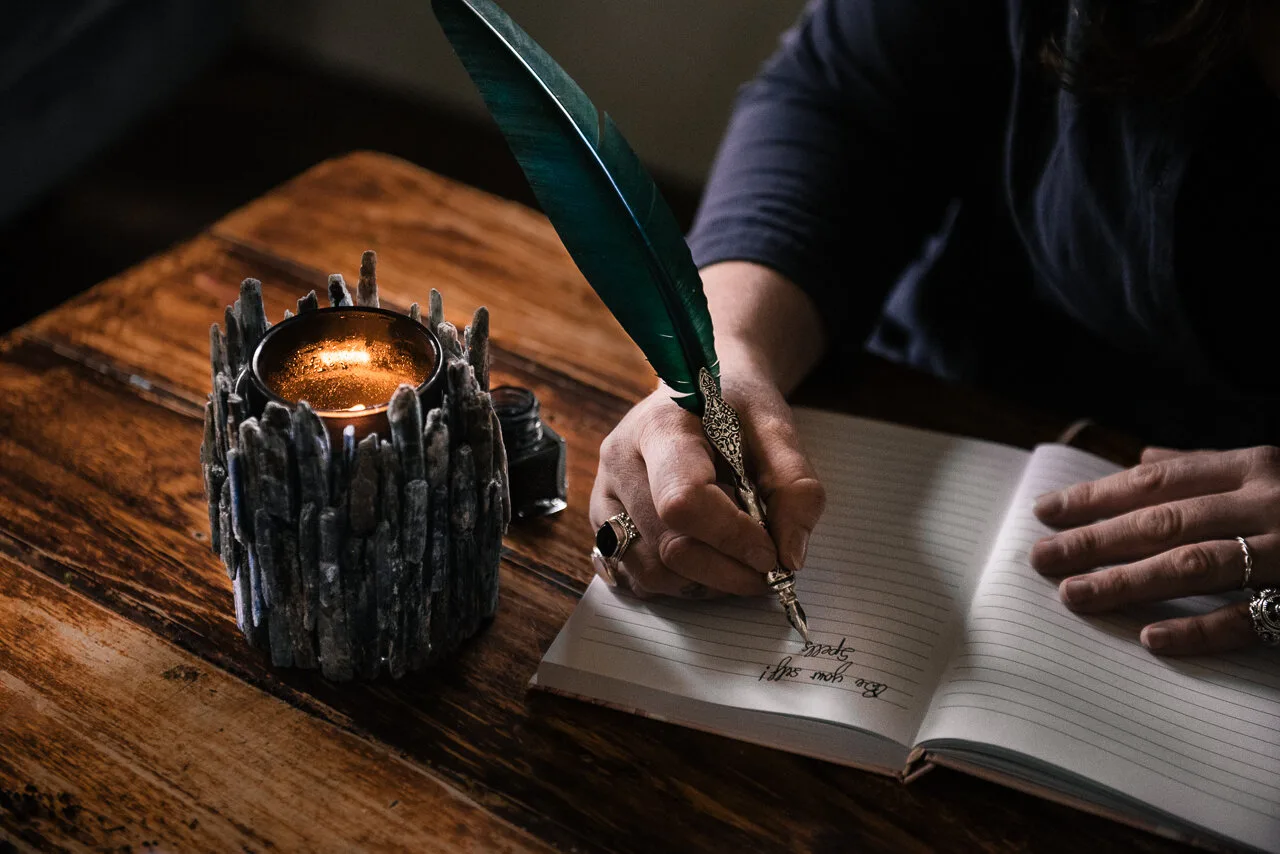
A personal practice can be difficult to describe through one headshot. A face establishes recognition, but says relatively little about the work, its materials or its setting. The Australian Witch collection takes a broader approach by combining portraits with writing, candlelight and forest scenes.
These images create several ways into the subject. The writing scene introduces an activity; the objects provide detail; a wider portrait establishes a person within a landscape.
A setting that carries meaning
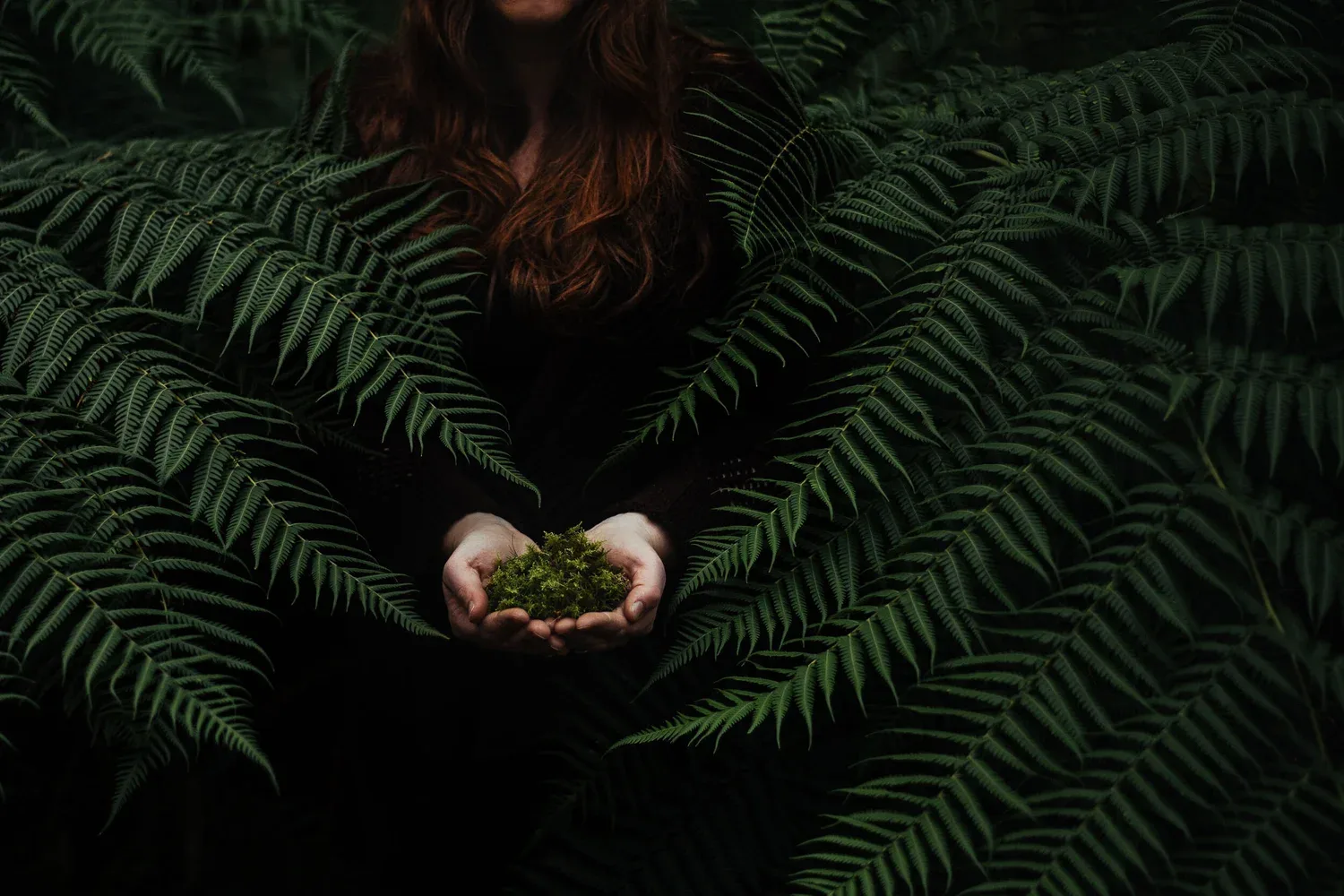
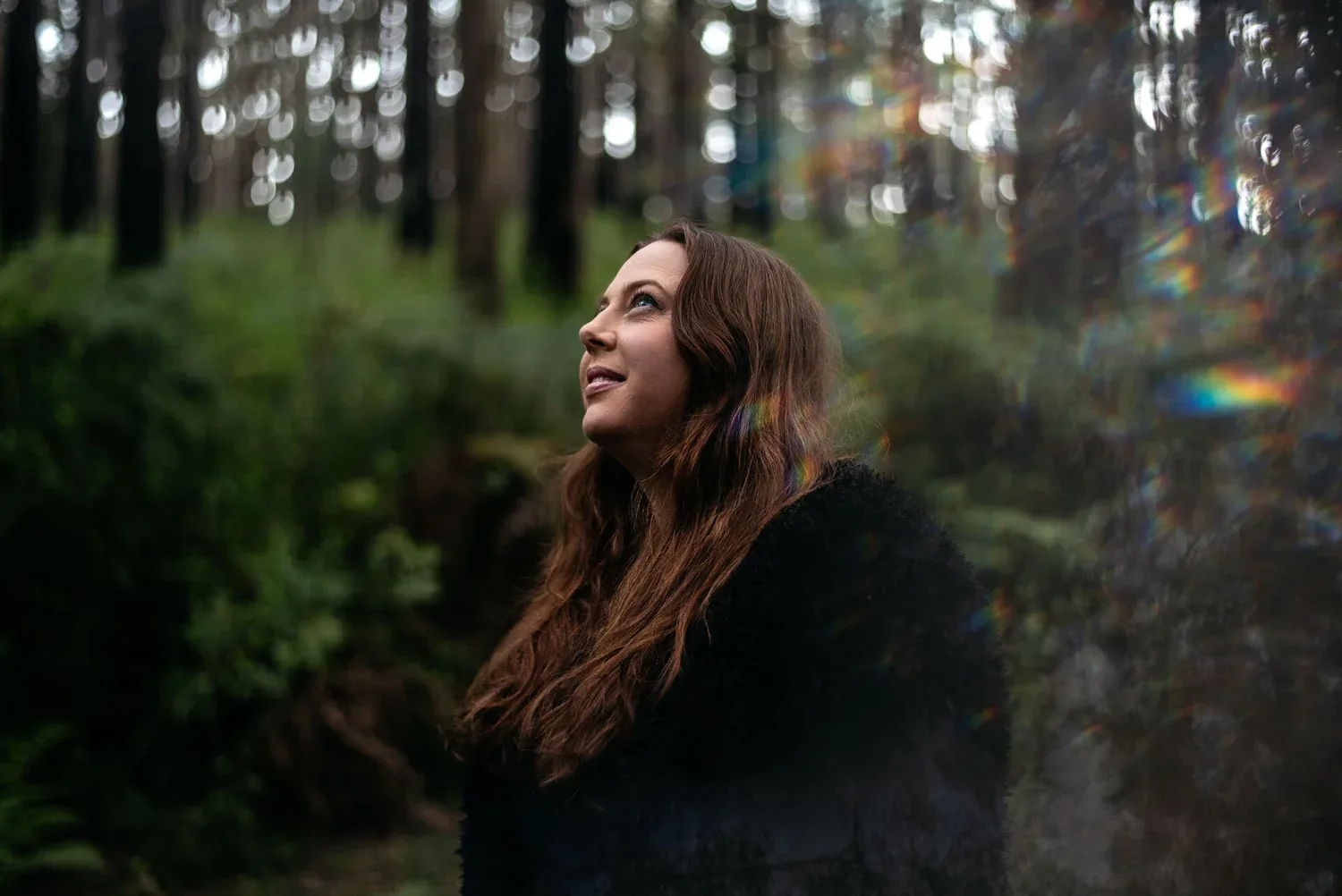
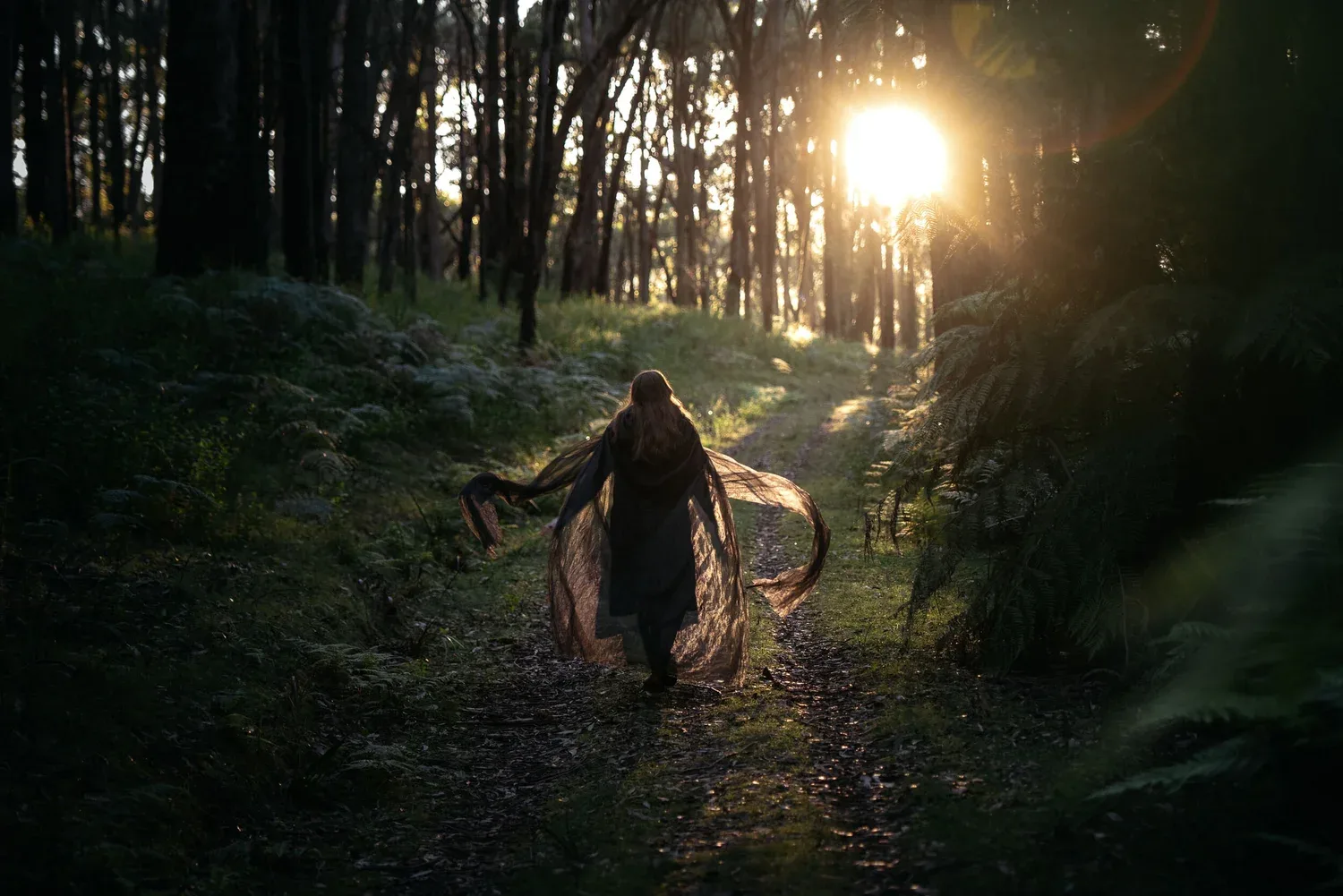
Ferns and trees give the portraits depth and a consistent visual atmosphere. The subject remains recognisable while the landscape contributes more than a neutral background. Repeated greens, timber and softer light connect the outdoor photographs with the closer material studies.
The result is an image collection that can support different kinds of communication. A direct portrait can sit beside an introduction, while a wider environmental image offers space for a longer story about the practice.
Leaving room for the person’s own words
Images can establish tone, but they cannot fully explain someone’s beliefs or the meaning of a ritual. Those details should come from the practitioner. The photographs do not need to validate spiritual claims to be useful as a record of a chosen public identity.
Jaccob McKay’s Australian Witch project demonstrates the value of a sequence: person, action, object and setting each contribute something different. Together they offer a richer introduction than repeating the same portrait at several distances.
Project credit
This article considers the credited photography and design work; it is not a customer review of the featured service.